
What Are the Old and New Testaments?
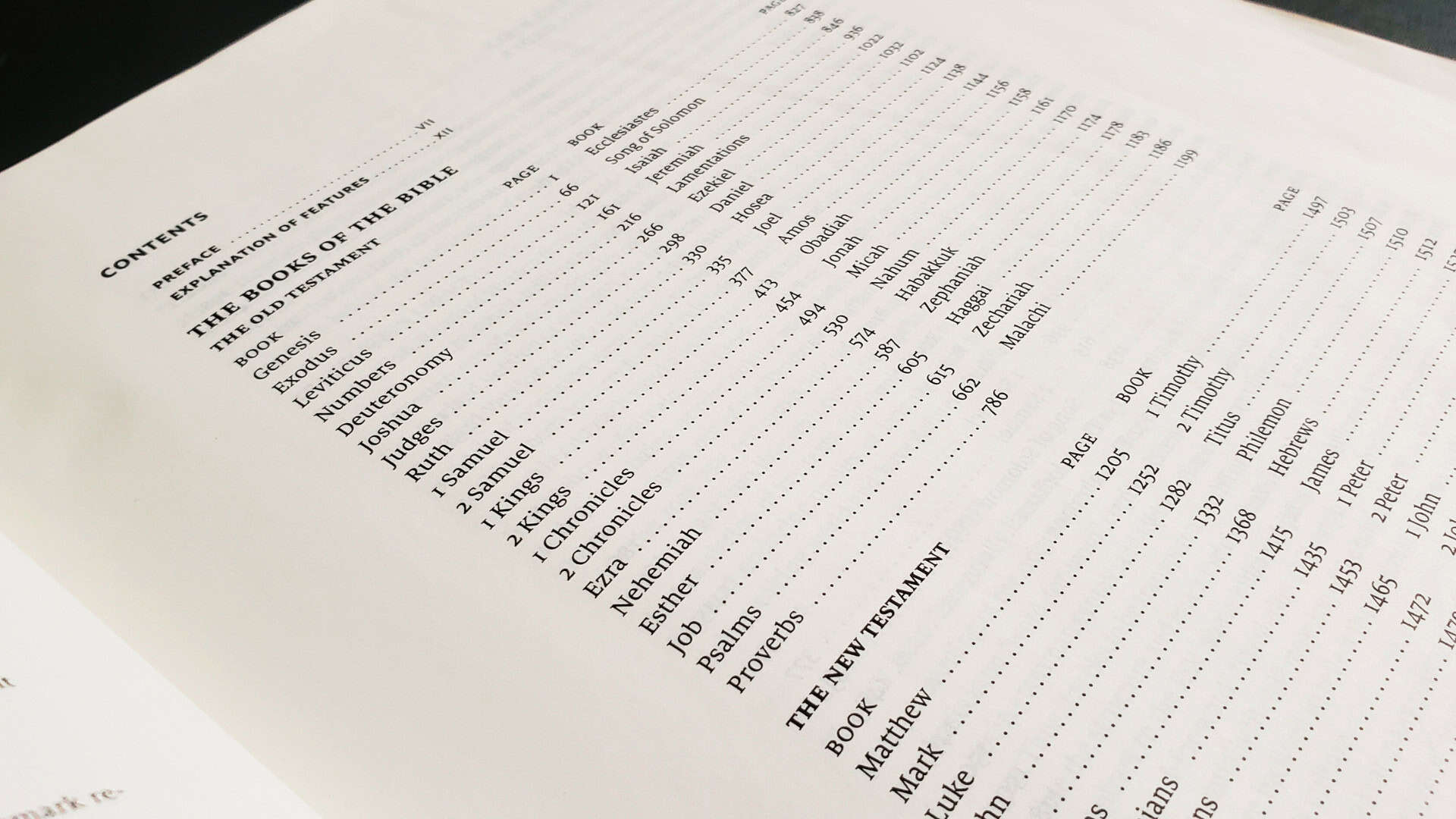
One Book. Two Testaments. One Story.
“For whatever was written in former days was written for our instruction…” (Romans 15:4).
When people pick up a Bible for the first time, they’re often surprised to see it’s divided into two major parts: the Old Testament and the New Testament.
Some think the Old Testament is outdated, harsh, or irrelevant. Others stick only to the Gospels and ignore the rest. Still others wonder if the two parts contradict each other.
But here’s the truth: the Old and New Testaments are not separate books with separate messages. They are two parts of one divine story—woven together by one Author, pointing to one Savior, revealing one God.
The word “Testament” simply means covenant. These aren’t just sections of a book. They are God’s covenants with humanity—His unfolding plan to redeem a fallen world through Jesus Christ.
- The Old Testament shows us the foundation—God’s promises, His law, His people.
- The New Testament shows us the fulfillment—the arrival of the Messiah, the gospel, the church, and the hope of glory.
From Genesis to Revelation, the Bible tells one unbreakable story: God’s sovereign grace extended to sinners through the person and work of His Son.
If you separate the Testaments, you lose the thread. If you ignore one, you weaken your understanding of the other. But if you see them together, you’ll behold the beauty of Scripture like never before.
So what are the Old and New Testaments?
Why do they matter?
How do they fit together?
And what does it mean for your walk with Christ?
In this article, we’ll explore how the two Testaments form one sacred whole—and why every Christian needs to know both deeply.
What Are the Old and New Testaments?
“All Scripture is breathed out by God and profitable for teaching…” (2 Timothy 3:16)
The Bible is not one flat book—it’s a divine library made up of two main parts: the Old Testament and the New Testament.
Each Testament contains multiple books. Each was written over centuries. And each reveals God’s unfolding plan of salvation. But together, they form one inspired, unified, and complete Word of God.
The Old Testament
The Old Testament is made up of 39 books, written in Hebrew and Aramaic, spanning over 1,000 years of Israel’s history.
It begins with creation (Genesis) and ends with anticipation (Malachi)—longing for the Messiah to come.
The Old Testament includes:
- The Law (Torah): Genesis, Exodus, Leviticus, Numbers, Deuteronomy
- The Historical Books: Joshua through Esther
- The Wisdom Books: Job, Psalms, Proverbs, Ecclesiastes, Song of Solomon
- The Prophets: Isaiah through Malachi
This Testament reveals:
- Who God is: holy, just, merciful, sovereign
- What sin is: rebellion against God
- What we need: a Savior
It includes covenants with Abraham, Moses, and David. It lays out the law, the sacrificial system, the priesthood, the temple—all pointing to something greater.
Jesus said, “These are the Scriptures that testify about Me” (John 5:39). The Old Testament whispers His name on every page.
The New Testament
The New Testament contains 27 books, written in Greek, over roughly 50 years.
It begins with the long-awaited arrival of Christ and ends with His glorious return.
The New Testament includes:
- The Gospels: Matthew, Mark, Luke, John
- Church History: Acts
- The Epistles (Letters): Romans through Jude
- Prophecy: Revelation
This Testament reveals:
- Jesus Christ, the Son of God—born, crucified, risen, and reigning
- The spread of the gospel and the birth of the Church
- Instruction for godly living and faithful doctrine
- The hope of eternal life and the promise of Christ’s return
The New Testament fulfills what the Old Testament foretold.
“Do not think that I have come to abolish the Law or the Prophets; I have not come to abolish them but to fulfill them” (Matthew 5:17).
Together, the Old and New Testaments form a single canon—a closed, inspired, preserved revelation from God. They do not contradict—they complete one another.
The Old Testament is the shadow, the New Testament is the substance.
The Old prepares us for Christ; the New reveals Him fully.
To neglect either Testament is to misunderstand the whole. But when we embrace both, we see the full glory of God’s redemptive plan.
Why Do Both Testaments Matter for the Christian Today?
“For whatever was written in former days was written for our instruction…” (Romans 15:4).
Some believers think the Old Testament is outdated—that it doesn’t apply anymore, or that the God of the Old Testament is somehow different from the God of the New.
But that thinking is dangerously wrong.
The Old and New Testaments are both essential for understanding the character of God, the work of Christ, and the call of the Christian life. To separate them is to tear apart what God has joined together.
Here’s why both Testaments still matter today:
1. They Reveal the Same God
God doesn’t change (Hebrews 13:8). His holiness in Leviticus is the same holiness found in Revelation. His mercy in Exodus is the same mercy shown in the Gospels.
“I the Lord do not change…” (Malachi 3:6)
The Testaments may differ in form and setting, but not in substance. They reveal one God—righteous, just, merciful, and sovereign over all.
2. They Tell One Story
The Bible isn’t a collection of disconnected stories—it’s one grand narrative of redemption.
- Creation (Genesis)
- Fall (Genesis 3)
- Promise (Genesis 12)
- Fulfillment (Matthew–John)
- Proclamation (Acts–Jude)
- Restoration (Revelation)
Everything in the Old Testament anticipates the coming of Christ. Everything in the New Testament announces His arrival and prepares us for His return.
You cannot fully grasp the glory of the cross without the weight of the Law. You cannot treasure the gospel unless you understand the problem of sin first explained in Genesis.
3. They Equip Us for Godly Living
Paul said that “all Scripture is profitable” (2 Timothy 3:16). And when he wrote that, the Old Testament was what he primarily meant!
The Testaments together provide instruction, rebuke, correction, and encouragement. They give us:
- Wisdom for decision-making (Proverbs 3:5–6; James 1:5)
- Warnings against temptation (1 Corinthians 10:13; Proverbs 7:1–27)
- Encouragement in trials (Romans 5:3–5; James 1:2–4)
- Examples of faithfulness and failure (Hebrews 11:1–40; 1 Samuel 15:22–23)
- A vision for God’s purpose in our lives (Jeremiah 29:11; Ephesians 2:10)
The Psalms teach us to worship. Proverbs gives us wisdom. The prophets stir our hope. The Gospels reveal our Savior. The epistles anchor our doctrine. Revelation fuels our endurance.
4. They Strengthen Our Confidence in God’s Word
When we see how the Testaments fit together, we grow in confidence that the Bible is not a man-made invention—it is a divinely orchestrated revelation.
Prophecies made in Isaiah find fulfillment in Matthew. Shadows in Leviticus become realities in Hebrews. Promises in Genesis echo all the way to Revelation.
This is not human coincidence—it is divine authorship.
To know God fully, trust Christ deeply, and walk faithfully—you need the whole Book. Old and New. Promise and fulfillment. Law and gospel. Foundation and fulfillment.
How Should We Approach and Use the Two Testaments Today?
“Your word is a lamp to my feet and a light to my path” (Psalm 119:105).
It’s one thing to know that the Bible is divided into the Old and New Testaments. It’s another to know how to rightly handle them.
Too many Christians treat one Testament like a favorite dish and the other like a bitter medicine—consumed reluctantly, if at all.
But both Testaments are the Word of God. Both are inspired, inerrant, profitable, and life-giving. And if we’re going to grow in Christ, we must approach both with humility, hunger, and holy reverence.
So how should we engage the Old and New Testaments today?
1. Read the Old Testament Through the Lens of Christ
Jesus didn’t come to erase the Old Testament—He came to fulfill it.
“Beginning with Moses and all the Prophets, He interpreted to them in all the Scriptures the things concerning Himself” (Luke 24:27).
That means when we read Genesis, we should look for God’s covenant promises. When we read Exodus, we see Christ as our true deliverer. When we study Leviticus, we understand the sacrifice of the Lamb. In the Psalms, we hear the cries of our Savior. In the Prophets, we anticipate His coming glory.
The Old Testament is not outdated—it’s Christ-centered.
2. Read the New Testament with the Old in Mind
The New Testament doesn’t stand alone. It leans heavily on what came before.
The apostles quote the Old Testament constantly. The Gospels assume familiarity with the Law and the Prophets. Hebrews cannot be understood without Leviticus. Revelation echoes Ezekiel and Daniel throughout.
If you want to go deeper in the New, you must be grounded in the Old.
3. Let Scripture Interpret Scripture
The best way to understand the Bible is to let the Bible explain itself. Use the New Testament to illuminate the Old. Use the Old Testament to give depth to the New.
For example:
- The Passover lamb (Exodus) finds its fulfillment in “Christ, our Passover lamb” (1 Corinthians 5:7).
- The promise to Abraham (Genesis 12) is fulfilled in the nations being blessed through Jesus (Galatians 3:14).
- The suffering servant (Isaiah 53) is revealed in the crucified Christ (1 Peter 2:24).
The Testaments don’t contradict—they complete each other.
4. Submit to Both with Equal Authority
All Scripture is God-breathed—not just the parts we like.
The Old Testament is not just for historical context. The New Testament is not just for modern relevance. Both are God’s authoritative, binding Word.
Don’t pick and choose. Don’t elevate one above the other. Submit to both as God’s truth for your life today.
What Happens When We Embrace the Whole Bible?
“Your words were found, and I ate them, and Your words became to me a joy and the delight of my heart” (Jeremiah 15:16).
The goal of Bible reading is never just information—it is transformation.
When you embrace the whole Bible—Old and New—you don’t just fill your mind with facts. You nourish your soul with truth. You build a life anchored in God’s eternal Word.
What kind of fruit grows in the life of a believer who delights in the full counsel of Scripture?
1. Deeper Knowledge of God
The Old Testament reveals the holiness, justice, and steadfast love of God in vivid detail. The New Testament unveils His mercy, grace, and truth in Christ.
Together, they give you a full picture of who God is—not a caricature, but the real, living God of Scripture.
“Let him who boasts boast in this, that he understands and knows Me…” (Jeremiah 9:24).
2. Stronger Confidence in the Gospel
The gospel isn’t a New Testament invention—it was promised in Genesis, pictured in Exodus, prophesied in Isaiah, and fulfilled in the Gospels.
Seeing how every page of Scripture points to Christ will deepen your love for Him and your boldness in proclaiming Him.
You’ll say with Paul, “I am not ashamed of the gospel…” (Romans 1:16)—because you’ll understand its full weight and glory.
3. Greater Spiritual Discernment
When you know the whole Bible, you won’t be tossed by every new teaching or cultural trend.
- You’ll recognize false gospels.
- You’ll spot twisted Scripture.
- You’ll hold fast to sound doctrine.
You won’t need to follow feelings or fads—you’ll be rooted in truth.
“The simple believes everything, but the prudent gives thought to his steps” (Proverbs 14:15).
4. Fuller Joy in Christ
The more you understand the storyline of redemption, the more your joy will overflow.
The promises to Abraham… the sacrifices of Leviticus… the laments of the prophets… the psalms of hope… the incarnation… the resurrection… the return of Christ—all of it tells the story of a God who saves.
And when that story becomes your story, your heart will burn like the disciples on the road to Emmaus.
“Did not our hearts burn within us… while He opened to us the Scriptures?” (Luke 24:32).
5. Steadfast Endurance
Life is hard. Trials will come. But when your soul is soaked in the whole counsel of God, you will endure with strength.
The saints of old will become your companions. The promises of God will become your anchor. And the return of Christ will be your great hope.
“Whatever was written in former days was written… that through endurance and through the encouragement of the Scriptures we might have hope” (Romans 15:4).
One Story. One Savior. One Word. Will You Trust It?
“The grass withers, the flower fades, but the word of our God will stand forever” (Isaiah 40:8).
We live in a generation drowning in information—but starving for truth.
In a world of shifting values, conflicting voices, and disposable opinions, the Bible stands as a rock beneath our feet—a book unlike any other, because it was authored by the living God.
From Genesis to Revelation, from the garden to the city, from the Law to the cross, the Bible tells one unbroken story: God’s sovereign grace toward sinners through His Son, Jesus Christ.
It is not two messages—it is one.
It is not two gods—it is the same holy, gracious God.
It is not two plans of salvation—it is one eternal gospel.
The Old Testament shows our need for a Savior.
The New Testament shows the name of that Savior—Jesus.
The Old prepares us. The New presents Him.
The Old predicts. The New fulfills.
The Old gives shadows. The New reveals substance.
And both are the voice of God—calling you to know Him, trust Him, obey Him, and enjoy Him forever.
So what should you do?
- Don’t just read your favorite passages—read the whole counsel of God.
- Don’t skip the hard parts—wrestle through them prayerfully.
- Don’t neglect the Old—see how it points to Christ.
- Don’t flatten the New—understand it in its full depth and glory.
“Man shall not live by bread alone, but by every word that comes from the mouth of God” (Matthew 4:4)
The Bible is not a hobby. It’s your lifeline.
It’s not an accessory to your faith—it’s the foundation of it.
It’s not optional—it’s essential.
One Book.
Two Testaments.
Sixty-six books.
One Author.
One Redeemer.
One unshakable truth.
Will you trust it?
Will you submit to it?
Will you open it—not just with your eyes, but with your heart?
Because when you open this Book, God opens His mouth.
And when you receive it with faith, He changes your life.
“He who is of God hears the words of God” (John 8:47).
Don’t settle for a partial view of God. Don’t live on half the story. Embrace the fullness of Scripture—and be transformed.
Go Deeper: Study and Application
“But his delight is in the law of the Lord, and on His law he meditates day and night” (Psalm 1:2).
To fully appreciate the Bible, you need to engage with both the Old and New Testaments—not as two disconnected parts, but as one living, breathing revelation from God.
If you want to grow in Christ, understand Scripture more deeply, and be equipped to teach others, here are simple ways to start applying what you’ve learned.
1. Read a Balanced Bible Plan
Many believers gravitate to the Gospels or the Epistles—and those are good! But don’t neglect the Old Testament.
Try a reading plan that moves through both Testaments:
- The M’Cheyne Reading Plan – A daily schedule covering the whole Bible in a year, with readings from both Testaments.
- The Five-Day Bible Reading Plan – Offers both structure and flexibility.
- Or simply read one Old Testament and one New Testament chapter per day.
This keeps your spiritual diet balanced and your understanding of redemptive history growing.
2. Use a Study Bible with Cross-References
A solid study Bible—such as the ESV Study Bible or MacArthur Study Bible—will help you connect dots between the Testaments.
Pay attention to the footnotes and cross-references. Watch how New Testament writers use the Old. Look up quotes. Trace themes like covenant, sacrifice, Messiah, kingdom, and temple across both sections.
You’ll begin to see Scripture as a unified whole, not fragmented parts.
3. Memorize Key Passages from Both Testaments
Don’t just memorize John 3:16—also commit to memory verses like:
- Genesis 15:6 – “And he believed the Lord, and He counted it to him as righteousness.”
- Deuteronomy 6:5 – “You shall love the Lord your God with all your heart…”
- Psalm 1:1–2 – “Blessed is the man who walks not in the counsel of the wicked…”
- Isaiah 53:5 – “He was pierced for our transgressions…”
- Matthew 5:17 – “I have not come to abolish the Law, but to fulfill it.”
- Romans 15:4 – “Whatever was written in former days was written for our instruction…”
By storing up verses from both Testaments, you’ll grow in wisdom, discernment, and spiritual confidence.
4. Teach Others What You’re Learning
Teaching reinforces truth. Don’t keep it to yourself.
- Share what you learn in conversations.
- Lead a small group or Bible study.
- Use examples from both Testaments when discipling others.
- Help new believers see how the Bible fits together.
When you teach others, you learn it deeper yourself.
5. Pray the Bible as You Read (P.S. Read Don Whitney’s book, Praying the Bible, on this!)
Whether you’re reading Leviticus or Philippians, let Scripture guide your prayers:
- Praise God for who He reveals Himself to be (Psalm 145:1–3; Exodus 34:6–7)
- Confess where you fall short of His Word (1 John 1:9; Psalm 51:1–4)
- Thank Him for His promises (2 Corinthians 1:20; Psalm 119:140)
- Ask for strength to obey and delight in His truth (Psalm 119:32; Philippians 2:12–13)
When you embrace the full Bible, you won’t just know more—you’ll love God more, trust Christ more deeply, and live more faithfully in this world.
Open the Book.
Read it all.
Live it out.