Sola Scriptura: The Battle for the Bible
The Authority of Scripture Alone
The greatest battle in the Church today is not over politics, preferences, or personalities—it is over authority. Who has the final word? Who defines truth? Who governs the conscience?
In a world drunk on self-expression and allergic to absolutes, the Church must answer with clarity and conviction: God alone speaks with final authority—and He speaks through Scripture alone.
This was the heartbeat of the Protestant Reformation. Not a novelty, but a recovery. Not a rebellion, but a return—to the Book. Sola Scriptura is the Latin phrase that thundered through Europe and cracked the foundation of papal power. It means “Scripture alone.” It was the Reformers’ cry, the martyrs’ conviction, and the Church’s cornerstone.
But today, this doctrine is under siege once again. Some say the Bible is outdated. Others treat it as optional. Still others replace it with psychology, pop culture, or personal revelation. Even within churches that claim to believe the Bible, its authority is often undermined in practice. Sermons become motivational speeches. Worship becomes entertainment. Truth becomes negotiable.
But if the Church is to have power, she must stand where she has always stood—on the Word of God. This article is a call to return. A call to anchor our lives, our churches, and our preaching in the unshakable truth of Scripture alone.
The Meaning of Sola Scriptura
Sola Scriptura is not a slogan—it is a sword. It means that Scripture alone is the Church’s supreme and final authority in all matters of faith and practice. It is the ultimate court of appeal. It is the voice that overrules all others.
Not Scripture + tradition. Not Scripture + experience. Not Scripture + reason. Scripture—alone.
This does not mean we ignore history, theology, or confessions. The Reformers loved the Church Fathers, respected church councils, and upheld creeds. But they insisted that all of these must submit to the authority of the Word of God.
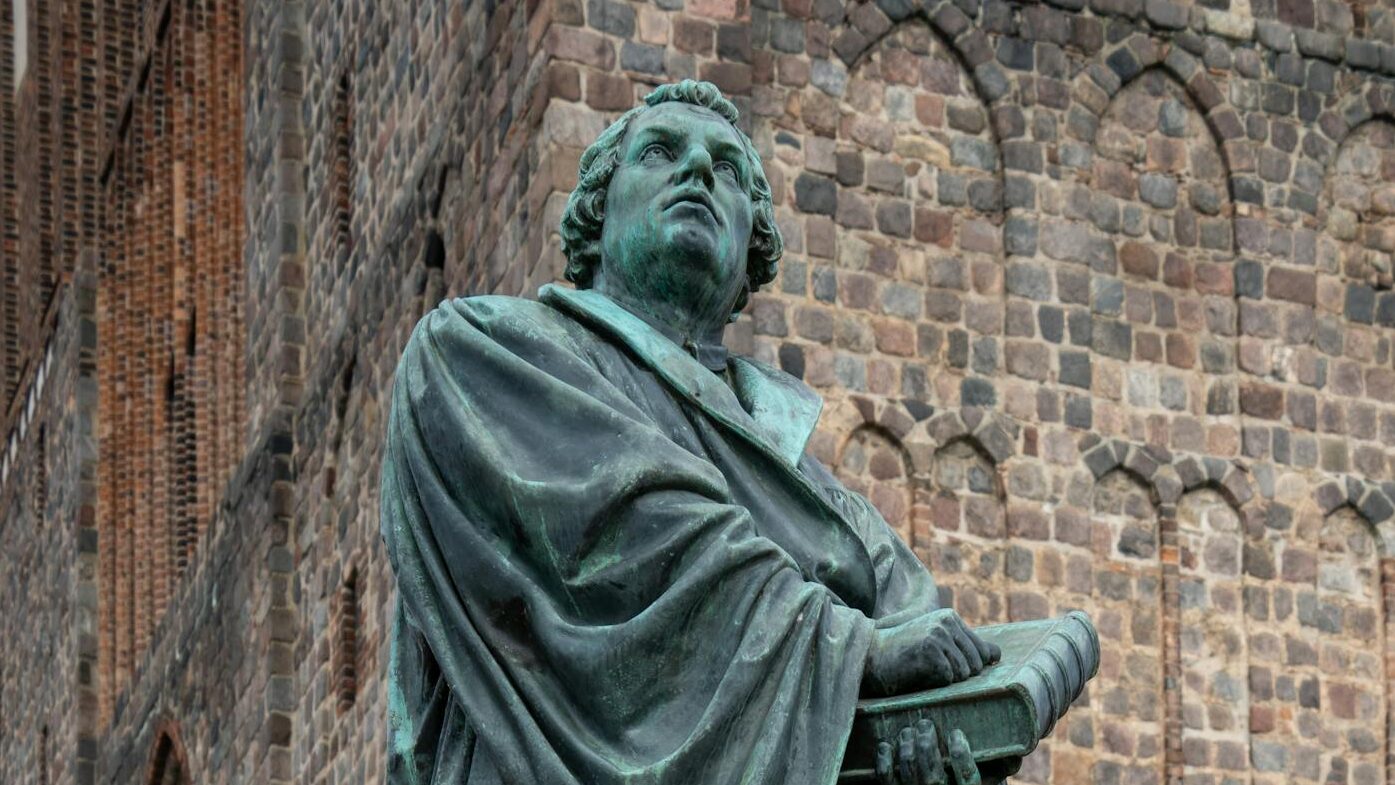
Martin Luther put it plainly:
“A simple layman armed with Scripture is to be believed above a pope or a council without it.”
Why? Because popes err. Councils contradict. Feelings change. Culture shifts. But the Word of God stands forever (Isaiah 40:8).
Sola Scriptura means:
- The Bible is inspired—breathed out by God.
- The Bible is sufficient—it lacks nothing.
- The Bible is clear—its central message is understandable.
- The Bible is authoritative—it rules the heart and the conscience.
This is not academic theory. This is life and death. The moment we add to Scripture, we subtract from its authority. The moment we place something alongside Scripture, we dethrone its supremacy. The moment we say, “Yes, the Bible, but also…”—we are no longer standing on the Rock.
Sola Scriptura is the bedrock of true Christianity. Without it, the Church becomes a house built on sand, ready to collapse with every cultural wave. So let the Church be clear: Scripture alone is our guide, our rule, and our final word.
The Foundation of Sola Scriptura: Divine Inspiration
At the heart of Sola Scriptura lies one non-negotiable truth: The Bible is the Word of God. It is not merely about God. It does not merely contain the Word of God. It is the very voice of God in written form.
“All Scripture is breathed out by God…” (2 Timothy 3:16). Not some. Not most. All.
The Greek word here—theopneustos—means “God-breathed.” It points to the divine origin of every word on every page. Scripture originates not in the mind of man but in the mouth of God.
Peter confirms this when he writes, “No prophecy was ever produced by the will of man, but men spoke from God as they were carried along by the Holy Spirit” (2 Peter 1:21). The prophets were not philosophers. They were vessels—moved, carried, and compelled by the Spirit.
This is what we call verbal, plenary inspiration:
- Verbal: every word matters.
- Plenary: every part is inspired.
Not just the “red letters.” Not just the lofty passages. All of it—genealogies, laws, psalms, gospels, and prophecy—is God-breathed. That means the Bible is:
- Inerrant: it contains no error.
- Infallible: it cannot fail.
- Authoritative: it speaks with divine command.
This separates the Bible from every other book. There are many religious texts—but only one that speaks with divine authority.
Comparing Other Texts
The Qur’an claims to be the word of God but contains contradictions and historical inaccuracies. The Book of Mormon plagiarizes large portions of the King James Bible and promotes a false gospel. The Apocrypha, though historically interesting, contains teaching that contradicts Scripture. Only the Bible stands as the singular, self-authenticating, Spirit-inspired revelation of God to man.
Consequences of Divine Inspiration
And this foundation has consequences. If the Bible is truly inspired by God, then it must be the final authority in all matters of doctrine and life. What God has breathed, man has no right to edit.
We do not stand above the Word to judge it. We stand under the Word to obey it.
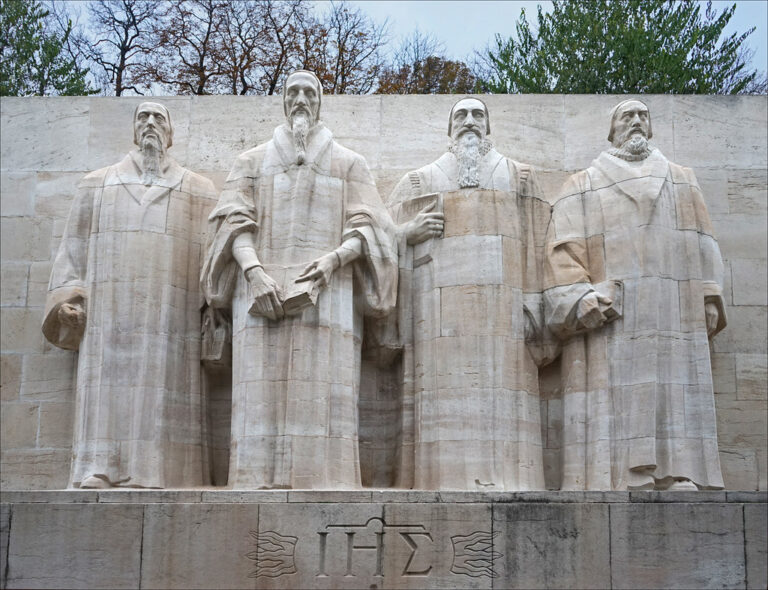
The Reformers clung to this truth with blood-bought tenacity. Luther didn’t risk his life for church tradition. Calvin didn’t reform Geneva by quoting councils. They thundered from the Word of God—because they believed it was God Himself speaking.
Today, we must do the same. If Scripture is inspired, then it is not optional. It is not a suggestion. It is not a sourcebook for spiritual quotes. It is the living voice of the sovereign King. And we are commanded to listen and obey.
The Sufficiency of Scripture
If divine inspiration is the foundation, sufficiency is the fortress. The Bible is enough. That is the bold claim of Sola Scriptura. We do not need additional visions, modern revelations, or authoritative traditions to complete what God has spoken. The Word of God is sufficient for the people of God.
Paul writes in 2 Timothy 3:16–17:
“All Scripture is breathed out by God and profitable for teaching, for reproof, for correction, and for training in righteousness, that the man of God may be complete, equipped for every good work.”
Notice the word: complete. Not partially equipped. Not mostly prepared. Complete.
The Bible is sufficient:
- To teach sound doctrine.
- To correct false belief.
- To train in righteousness.
- To equip for ministry.
This does not mean that the Bible tells us everything about everything. It’s not a textbook on physics or a manual on car repair. But it does mean that the Bible tells us everything we need to know to be saved, to live a godly life, and to please God. Nothing is missing. Nothing needs to be added.
Challenges to Sufficiency
Yet in every generation, this truth is attacked. The Roman Catholic Church says Scripture is insufficient without sacred tradition and the magisterium to interpret it. The Charismatic movement often places modern prophecy or personal revelation on par with the written Word. The liberal church treats the Bible as outdated and insufficient for today’s ethical questions—preferring psychology, sociology, or political activism. And even in conservative churches, we sometimes act as if the Bible isn’t enough. We chase leadership trends, consumer-driven programs, and motivational speeches to fill the gap where God’s Word should reign.
But make no mistake: when we supplement Scripture, we supplant it.
The Reformers’ Stand
God’s Word does not need help. It needs to be read, preached, trusted, and obeyed. The Reformers stood firmly on this truth. They rejected indulgences not just because they were offensive—but because they were unscriptural. They refused to bow to papal decrees not just because they were corrupt—but because they contradicted God’s Word.
And today, this same sufficiency applies:
- In the pulpit: Preach the Word—not entertainment, not opinions, not trends (2 Timothy 4:2).
- In the counseling room: The Word is able to comfort, convict, and counsel.
- In the home: Scripture is enough to shape the hearts of children and train them in the way they should go.
- In evangelism: The gospel is the power of God—we need not dress it up or dilute it.
What God has said is enough. To deny the sufficiency of Scripture is to accuse God of silence or failure. But He has not been silent—and He has not failed. He has given us a perfect Word that perfectly accomplishes His perfect will.
Let us not look elsewhere. Let us open the Book—and find everything we need for life and godliness (2 Peter 1:3).
The Clarity and Authority of Scripture
One of the most precious truths reclaimed during the Reformation was this: the Bible is clear. It is not a murky pool of riddles. It is a lamp that shines in the darkness (Psalm 119:105).
This is what theologians call the perspicuity of Scripture—that the central message of the Bible can be clearly understood, especially regarding salvation and godliness.
Yes, there are difficult texts (2 Peter 3:16). Yes, some doctrines require deep study and Spirit-led discernment. But the gospel itself—the way of salvation—is plain. A child can grasp it. A farmer can proclaim it. A dying thief can believe it.
God is not a God of confusion (1 Corinthians 14:33). When He speaks, He does so to be heard and understood.
The Reformation and the Clarity of the Word
This clarity was one of the great dividing lines between the Reformers and Rome. The Roman Catholic Church claimed that Scripture was too obscure for the common man. They insisted that only the Church’s magisterium could interpret it rightly. The Bible was kept in Latin, locked behind ritual, tradition, and clerical authority.
But the Reformers said, “No. God has spoken clearly—and He intends His people to understand.” Luther translated the Bible into German. Tyndale gave his life to put it in English. Calvin preached verse by verse in Geneva so that every soul could hear God’s voice. Tyndale famously declared to a Catholic priest, “If God spare my life, I will cause a boy that driveth the plough to know more of the Scripture than thou dost!”
This was not arrogance. It was confidence in the clarity and authority of God’s Word.
Scripture Alone Speaks with Final Authority
Not only is the Bible clear—it is also supremely authoritative. When Scripture speaks, God speaks. This is not a suggestion. It’s not advice. It’s not merely a spiritual perspective among many. It is binding truth. Divine command. Royal decree.
Jesus submitted to the authority of Scripture: “It is written…” was His weapon against Satan (Matthew 4). He rebuked the religious leaders for not knowing the Scriptures (Mark 12:24). He declared, “Scripture cannot be broken” (John 10:35).
To deny Scripture’s authority is to reject Christ’s own view of the Bible. And what is true for the Son of God must be true for the Church of God.
Scripture Alone Judges All Things
The authority of Scripture is not just theoretical. It’s practical. It is the standard by which all teaching, all behavior, and all belief must be tested. Traditions must bow to it. Feelings must be examined by it. Leaders must be held accountable to it. Cultures must be corrected by it.
The prophet Isaiah declared:
“To the law and to the testimony! If they do not speak according to this word, it is because they have no dawn” (Isaiah 8:20).
If a message does not align with the Word—it is darkness, no matter how eloquent or popular it may be.
So the call is clear: submit to Scripture. Trust its clarity. Obey its authority. Preach it with boldness. We do not need new words from God—we need to tremble at the Word He has already given.
The Danger of Abandoning Sola Scriptura
Whenever Sola Scriptura is denied or distorted, disaster follows. This is not a hypothetical warning—it is a historical reality.
Rome’s Ruin
Consider the Roman Catholic Church. When it elevated church tradition and papal authority above the Bible, it opened the door to centuries of darkness:
- The invention of indulgences—salvation sold for silver.
- The creation of purgatory—nowhere taught in Scripture.
- The exaltation of Mary and the saints—robbing Christ of His exclusive glory.
- The suppression of the Bible—Latin readings for a Latin-illiterate people.
When the Church ceased to be governed by the Word, it ceased to be the Church.
Modern Echoes
But Rome is not alone in this drift. Today, the danger has not disappeared—it has merely changed shape. In liberal theology, the Bible is treated as ancient literature—not divine truth. Moral relativity replaces the moral law of God. In progressive Christianity, cultural ideologies take precedence over scriptural clarity. The gospel is reduced to activism, and holiness to tolerance. In prosperity gospel circles, man’s desires dictate doctrine. Promises of wealth and success silence the call to self-denial. In charismatic excesses, subjective experience eclipses objective truth. “God told me” replaces “It is written.”
Each of these departures has one thing in common: they no longer believe that Scripture alone is sufficient, clear, and final. And the results are deadly:
- Doctrinal confusion.
- Moral compromise.
- Spiritual blindness.
- Eternal consequences.
Wherever Scripture is abandoned, Christ is eclipsed. The gospel is diluted. Souls are lost.
Even Conservative Churches Drift
We must also be honest: this danger does not only lurk in liberal or fringe movements. It exists within conservative, Bible-believing churches as well. Whenever:
- Preaching gives way to storytelling or self-help,
- The pulpit becomes a stage,
- The Bible is used but not proclaimed,
- The Word is referenced but not revered,
Then Sola Scriptura is silently being set aside. And when that happens, the church loses its prophetic voice. It trades fire for fog, truth for trendiness, and conviction for comfort. The church becomes a mirror of the world instead of a light to the world.
God Will Not Bless What He Has Not Said
Let this be a sobering truth: God does not bless what He has not spoken. If we want true power in our preaching, true purity in our doctrine, and true transformation in our people, we must return to what God has said. Not to tradition. Not to culture. Not to innovation. To the Word.
“To the law and to the testimony!” (Isaiah 8:20)
The Call to Stand on the Word
The time for soft convictions is over. In every generation, the Church must decide: Will we stand on the Word of God, or will we bow to the winds of culture, tradition, or personal preference?
We are not the first to face this choice. Luther stood at Worms: “My conscience is captive to the Word of God… Here I stand. I can do no other.” Tyndale stood, defying kings and bishops to give the Bible to the ploughboy. The Puritans stood, sailing across oceans with nothing but their convictions and a Bible in hand. Spurgeon stood, resisting the downgrade of truth in his own denomination, even at great cost. Now it is our turn.
Stand in the Pulpit
Let preachers rise with an open Bible and a burning heart. Let pulpits thunder once again with “Thus says the Lord.” Do not entertain. Do not apologize. Do not shrink back. Preach the Word. In season and out. When it’s popular—and when it costs you everything. This world doesn’t need another opinion. It needs a prophetic voice, rooted in eternal truth.
Stand in the Pew
But this is not just a call for pastors. It’s a call for every believer. Read the Word. Know the Word. Love the Word. Obey the Word. Parents—teach it to your children. Workers—carry it into your vocation. Students—anchor your identity in it. Seniors—finish your race with it on your lips.
The Bible is not a Sunday book. It is your daily bread. You cannot grow apart from it. You cannot stand apart from it.
Stand Against the Tide
To stand on Sola Scriptura in this age is to swim against the current. You will be called narrow, rigid, intolerant. You will be mocked, marginalized, and misunderstood. But better to stand with God and be judged by the world than to stand with the world and be judged by God.
We are not called to be clever. We are called to be faithful. And God has given us His Word to guide, guard, and ground us. It is a sword (Ephesians 6:17), a fire (Jeremiah 23:29), and a hammer. It is alive and active (Hebrews 4:12), sharper than any two-edged blade.
Do not lay it down. Do not silence it. Do not trade it for anything.
Scripture Alone
In the end, Sola Scriptura is not just a slogan—it is a lifeline. It reminds us that:
- God has spoken,
- His Word is sufficient,
- His truth is clear,
- His authority is final,
- And His people must obey.
This is how the Church remains the Church. This is how the gospel remains uncorrupted. This is how souls are saved, sanctified, and secured.
Let the Word of God stand tall in our pulpits, in our homes, in our hearts. Let every preacher, every parent, and every saint be able to say:
“My conscience is captive to the Word of God. Here I stand. I can do no other.”
So help us God.