
Who Is The Holy Spirit and What Is His Role Today?
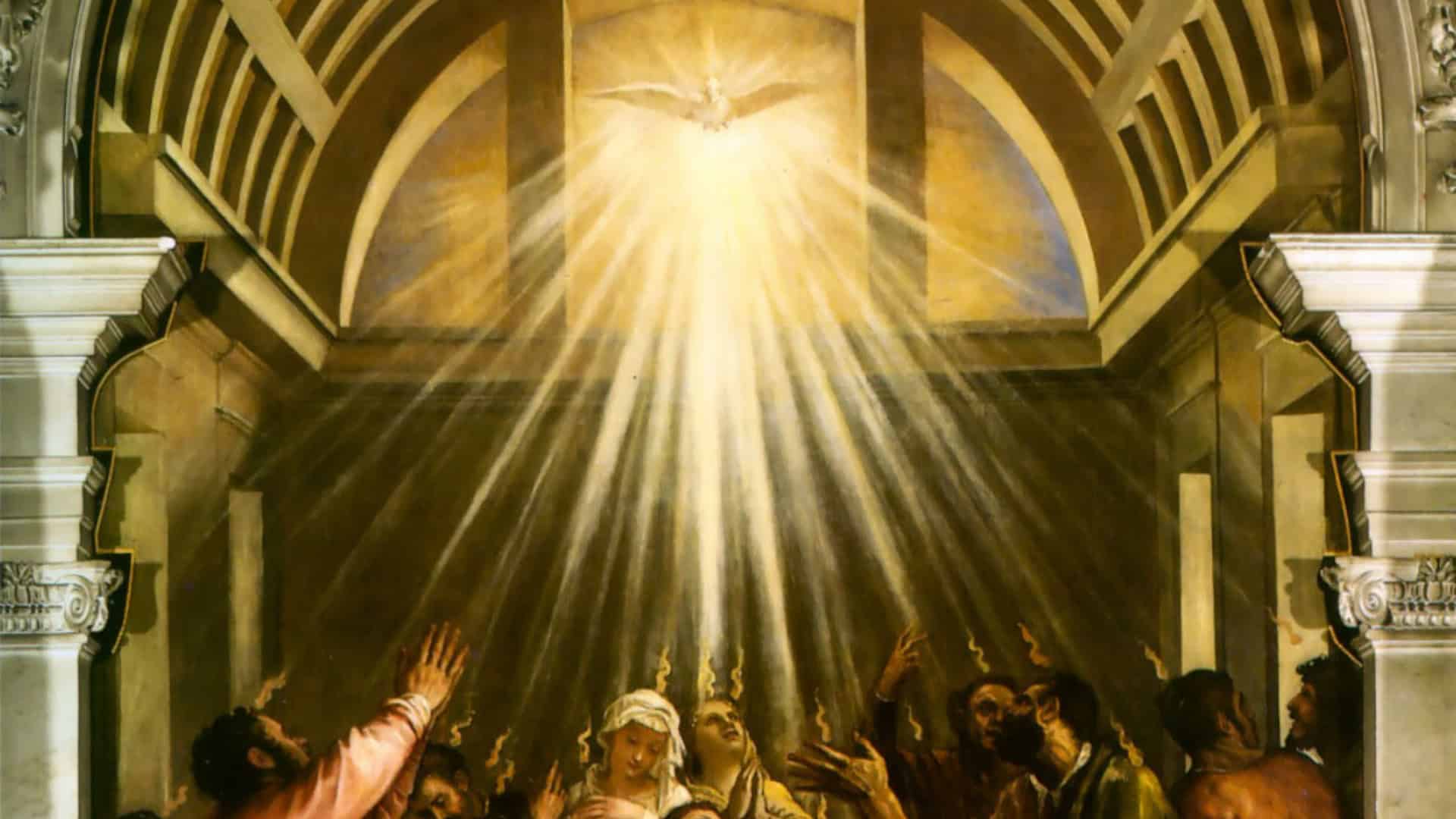
The Forgotten Person of the Trinity
“The Spirit of God, who raised Jesus from the dead, lives in you” (Romans 8:11).
You can’t live the Christian life without the Holy Spirit.
You can try. You can check all the boxes. You can read your Bible, go to church, and serve in ministry. But without the power of the Holy Spirit, it’s all flesh-driven effort—and it will fail. The Christian life is not hard. It’s impossible—apart from the Spirit of God living in you.
And yet, for many Christians today, the Holy Spirit is the most misunderstood, most neglected, and most misrepresented person of the Trinity.
Some treat the Spirit like an impersonal force. Others equate Him only with emotional highs and supernatural gifts. Still others avoid the topic altogether because of confusion or controversy.
But the Holy Spirit is not optional. He is essential—not just for spiritual leaders or charismatics, but for every single follower of Christ.
Theologian Alister McGrath once called the doctrine of the Holy Spirit “the Cinderella of the Trinity. The other two sisters get much more attention” (Christian Theology, p. 240).
And he’s right. We speak often of the Father’s love. We preach the glory of the Son’s sacrifice.
But the Spirit? Too often, He’s left in the shadows—neglected, misunderstood, or ignored altogether.
And yet, the Holy Spirit is the very Person Jesus promised would come to be with us—and in us. In John 14:16–17, Jesus said, “I will ask the Father, and He will give you another Helper, that He may be with you forever… you know Him because He abides with you and will be in you.”
Let that sink in: the same Spirit who hovered over the waters at creation (Genesis 1:2)… the same Spirit who filled the tabernacle with glory (Exodus 40:34)… the same Spirit who raised Jesus from the dead (Romans 8:11)… now dwells in every born-again believer.
That changes everything.
You are not meant to grit your way through sanctification. You are not meant to rely on your own strength to fight sin, endure suffering, or bear spiritual fruit. God has given you His Spirit—not just to comfort you, but to conform you to Christ.
This article will walk through the person and work of the Holy Spirit. Not in the abstract, but in real, practical terms—so that you can know Him, walk with Him, and be empowered by Him every day.
Let’s begin with the question: Who is the Holy Spirit?
Who Is the Holy Spirit?
The Holy Spirit is the third Person of the Trinity—the very God who co-exists eternally with the Father and the Son. He is not a force, an influence, or a mere power to be tapped into. He is a Person—intelligent, willful, and personal. Scripture makes this unmistakably clear. He teaches (John 14:26), guides (John 16:13), grieves (Ephesians 4:30), and intercedes (Romans 8:26).
Bottom-line: To deny His personhood is to misunderstand the very nature of God.
The Spirit’s role begins in creation, when “the Spirit of God was hovering over the waters” (Genesis 1:2). He spoke through the prophets, empowered kings, and filled God’s servants for mighty works throughout the Old Testament. Yet, it is in the New Testament that His presence becomes most intimate and transformative. Jesus promised the coming of the Spirit as our Helper and Comforter (John 14:16–17), and at Pentecost, the Spirit was poured out on believers, marking the birth of the Church (Acts 2).
The Spirit’s indwelling presence in believers is the defining mark of Christian identity: “You are not in the flesh but in the Spirit, if indeed the Spirit of God dwells in you” (Romans 8:9). His work includes convicting us of sin, regenerating our hearts, illuminating Scripture, and producing the fruit of godliness (Galatians 5:22–23).
Importantly, the Spirit does not act apart from the Father and the Son. He glorifies Christ (John 16:14) and testifies to God’s truth. His power is not for spectacle but for sanctification—transforming believers into the likeness of Christ.
Understanding who the Holy Spirit is anchors every Christian’s faith and life. He is our Counselor, Advocate, and Guide in a world that pulls us away from God. Without Him, we remain dead in sin. With Him, we are empowered to live victoriously, reflecting the glory of God in all we do.
The Holy Spirit’s Role Is Essential for the Christian Life
The Christian life is not merely a set of moral rules to follow or a list of duties to check off. It is a profound, ongoing relationship with God—one that transforms from the inside out. This transformation, known as sanctification, depends entirely on the work of the Holy Spirit. Without Him, genuine spiritual growth is impossible.
The Bible makes it clear: the Spirit is the divine agent who brings life to our dead hearts. Jesus said, “It is the Spirit who gives life; the flesh profits nothing” (John 6:63). Our flesh, our natural self, cannot please God (Romans 8:8). Only through the Spirit’s power can we overcome sin and bear spiritual fruit.
The Spirit convicts us of sin, awakening our conscience and revealing the depth of our need for God (John 16:8). He regenerates the heart, causing us to be born again (Titus 3:5). This new birth is not a human achievement; it is the sovereign work of the Spirit, breathing life into dead souls.
Moreover, the Spirit equips believers with power for daily living. Paul tells us that we are baptized by one Spirit into one body (1 Corinthians 12:13), and that this same Spirit distributes spiritual gifts to build up the church (1 Corinthians 12:4–11). These gifts are not for personal glory but for service and mutual edification.
The Spirit also teaches and guides us into all truth (John 16:13). He illuminates Scripture, helping us understand God’s Word and apply it to our lives. He empowers prayer (Romans 8:26) when we do not know what to ask.
In essence, the Holy Spirit is God’s presence with us, enabling us to live the life God intends. Without the Spirit, the Christian life becomes a futile effort, marked by frustration and failure. But with the Spirit, we are empowered to live holy, obedient lives that glorify God.
To ignore or minimize the Spirit’s role is to cripple the life of faith. To embrace Him is to walk in the fullness of God’s grace and power.
Living in the Power and Guidance of the Holy Spirit
The reality of the Holy Spirit’s presence in the believer is not merely theological—it is practical. The question is, how do we daily live in the power and guidance of the Spirit? How do we move from knowing about Him to walking with Him moment by moment?
First, yielding to the Spirit’s control is foundational. Paul exhorts believers: “Do not be drunk with wine, for that is debauchery, but be filled with the Spirit” (Ephesians 5:18). The filling of the Spirit is not a one-time event but a continual surrender to His leading. It means choosing moment by moment to say, “Not my will, but Yours be done” (Luke 22:42).
Second, obeying the Spirit’s promptings in the Word and prayer is essential. The Spirit works through Scripture to convict, teach, and encourage (John 14:26). Regular Bible reading is not just an intellectual exercise but a time when the Spirit breathes life into the Word. Prayer, empowered by the Spirit (Romans 8:26), deepens our communion with God and aligns our hearts with His.
Third, bearing the fruit of the Spirit is evidence of His work within us. The Apostle Paul lists these: “love, joy, peace, patience, kindness, goodness, faithfulness, gentleness, self-control” (Galatians 5:22–23). These virtues are not produced by human effort alone but by the Spirit’s sanctifying power. When we depend on Him, these characteristics grow and shape our character.
Fourth, the Spirit empowers us to resist sin and temptation. Paul writes, “For the desires of the flesh are against the Spirit, and the desires of the Spirit are against the flesh” (Galatians 5:17). This internal battle requires vigilance and reliance on the Spirit’s strength. Our victories over sin are victories of grace, won as we walk in the Spirit’s power.
Finally, the Spirit equips us for service and ministry. Spiritual gifts, such as teaching, exhortation, and mercy, are given by the Spirit to build up the church (1 Corinthians 12:7). Discovering and using these gifts is part of living out the Spirit-filled life, glorifying God through loving service.
Living in the Spirit’s power is not passive; it requires active engagement—daily surrender, consistent obedience, and continual dependence. But the promise is sure: “You will receive power when the Holy Spirit has come upon you” (Acts 1:8).
Obstacles to Walking in the Spirit
Though the Holy Spirit is gracious and powerful, the Christian life is not without obstacles that hinder our walk with Him. Recognizing these challenges is vital for persevering in sanctification and experiencing the Spirit’s fullness.
1. The Flesh’s Opposition
Paul plainly states the conflict: “For the desires of the flesh are against the Spirit, and the desires of the Spirit are against the flesh” (Galatians 5:17). Our old nature resists the Spirit’s work, tempting us toward sin and self-reliance. This inner battle often leads to discouragement and inconsistency in spiritual growth.
2. Neglecting the Means of Grace
The Spirit works through God’s appointed means: the Word, prayer, and the local church. When believers neglect these, they effectively grieve the Spirit (Ephesians 4:30). Skipping Bible reading, prayer, or fellowship cuts off vital channels of the Spirit’s power and guidance.
3. False Expectations and Misunderstandings
Many Christians expect dramatic, supernatural experiences as evidence of the Spirit’s presence. When these experiences don’t occur, they doubt or grow frustrated. The Spirit often works quietly and persistently—transforming hearts over time rather than dazzling with miracles (Gal. 5:22-23).
4. Worldly Distractions and Busyness
In our fast-paced culture, distractions abound. Busy schedules and relentless stimuli can dull our spiritual sensitivity. The Spirit calls us to stillness and attentiveness, but we often resist, making it difficult to hear His voice or follow His leading (Isa. 30:15).
5. Spiritual Warfare
The enemy seeks to blind believers to the Spirit’s work. Temptations, doubts, and attacks often come just when we need the Spirit’s help most. Recognizing that our battle is ultimately spiritual (Ephesians 6:12) helps us to depend on the Spirit’s power for victory.
Overcoming These Obstacles
The good news is that the Spirit Himself empowers us to overcome. We are called to “walk by the Spirit” (Galatians 5:16), which means daily reliance, confession of sin, and obedience. When we fall, the Spirit convicts and restores us, drawing us back to God’s grace.
Understanding these challenges prepares us to stand firm, persevere, and grow in the Spirit’s strength. The journey may be hard, but it is never alone.
The Blessings of Walking in the Spirit
Walking in the Spirit is not only our duty; it is also the source of profound blessings. When we yield to the Spirit’s work, our lives are transformed in tangible, powerful ways—bearing fruit that glorifies God and blesses others.
1. Transformation of Character
The fruit of the Spirit—“love, joy, peace, patience, kindness, goodness, faithfulness, gentleness, self-control” (Galatians 5:22–23)—reflects the character of Christ formed in us. This transformation is a supernatural work of God that moves us away from selfishness toward selfless love. It changes how we relate to God, others, and ourselves.
2. Assurance of Salvation
The Spirit confirms our adoption as God’s children (Romans 8:16). This assurance brings peace and confidence, even amid trials. When we sense the Spirit’s presence and witness His fruit in our lives, we know we belong to God, not by our works but by His grace.
3. Power for Ministry
The Spirit equips us with gifts and boldness to serve. He enables us to witness, teach, and comfort others with effectiveness and compassion. The blessings of the Spirit extend beyond personal growth—they empower us to build up the body of Christ.
4. Guidance and Wisdom
The Spirit guides us in decisions, comforts us in suffering, and strengthens us in weakness. His wisdom surpasses human understanding (Isaiah 11:2), leading us on paths that honor God. This guidance is a daily blessing, helping believers navigate life’s complexities with faith.
5. Peace in the Midst of Trials
Though the Christian life includes suffering, the Spirit grants an inner peace that transcends circumstances (John 14:27). This peace guards our hearts and minds, anchoring us in God’s unchanging promises.
In short, walking in the Spirit produces a life marked by holiness, joy, strength, and hope. These blessings motivate us to remain steadfast, trusting that the Spirit who began the good work in us will carry it to completion (Philippians 1:6).
Embracing the Spirit-Filled Life
The Holy Spirit is not an abstract doctrine or a distant power. He is the very presence of God living within believers, empowering, guiding, and transforming us day by day. To ignore His role is to live in spiritual weakness and futility. To embrace Him is to unlock the abundant life Jesus promised—a life marked by holiness, power, and peace.
This truth is clear: the Christian life is impossible apart from the Spirit. But with the Spirit, every challenge becomes an opportunity, every weakness becomes strength, and every trial becomes a path to deeper faith. As Paul exhorts us, let us “walk by the Spirit, and you will not gratify the desires of the flesh” (Galatians 5:16).
Today, the Spirit invites you to surrender fully, to lean not on your own understanding, but to trust in His divine power. Yield to His control, listen to His voice, and watch as He shapes you into the image of Christ.
May this be your prayer: “Come, Holy Spirit, fill my heart and guide my steps.”
Go Deeper: Study and Application
If the Holy Spirit is truly God—and He is—then we must not only believe that fact but live in light of it. Right belief demands right response. Theology must turn into doxology (praise). And the Spirit of God must not remain an abstract doctrine on a dusty shelf. He must become the daily strength of your walk with Christ.
Here are five deep ways to live in the power of the Spirit. Each one is a trailhead into greater spiritual growth, if you will follow where He leads.
1. Meditate on the Spirit’s Promises in Scripture
“If you love me, you will keep my commandments. And I will ask the Father, and he will give you another Helper… even the Spirit of truth” (John 14:15–17).
Start here: Open your Bible to John 14:15–17 and Romans 8:1–17. Read slowly. Out loud. And let what you are reading really sink in!
Ask yourself: “Who is this Helper? What does He do in the lives of believers? How does Jesus describe His ongoing work?”
As you meditate on these texts, pray something simple yet profound: “Holy Spirit, show me Your work in my life.”
2. Begin Each Day with Spirit-Illuminated Bible Reading
“The natural person does not accept the things of the Spirit of God… they are spiritually discerned” (1 Corinthians 2:14).
The Spirit wrote the Word—and He alone can make you understand it.
Reading your Bible without the Spirit is like trying to see in the dark. You need light. Illumination. Insight that doesn’t come from your intellect, but from God Himself.
So before you open the Bible each morning, pause and pray:
“Holy Spirit, open my eyes. Let me see the wonders of Your truth. Teach me. Convict me. Change me.”
Then read with expectation. You’re not studying alone. God is your Teacher.
3. Seek Out Christian Community Where the Spirit Moves
“Where two or three are gathered in my name, there am I among them” (Matthew 18:20).
The Spirit doesn’t just dwell in individuals—He indwells the church. The local body is where the Spirit distributes gifts, produces fruit, and knits hearts together in love.
So don’t isolate. Don’t drift. Find a Bible-preaching church and commit yourself to it.
Get in a small group. Join a Bible study. Invite other believers into your life. Let them challenge you. Encourage you. Pray with you. Correct you.
That’s not weakness—it’s wisdom. And it’s where the Spirit often does His deepest work.
4. Confess Sin and Keep a Clear Conscience
“Do not grieve the Holy Spirit of God…” (Ephesians 4:30).
The Holy Spirit is not a vague force. He is a person—and He can be grieved.
Sin doesn’t sever your relationship with God, but it does strain your fellowship with Him. A guilty conscience, left unchecked, will dull your spiritual sensitivity.
So confess early. Confess honestly. Keep short accounts with God. Don’t wait for your conscience to go numb.
The Spirit delights to cleanse, renew, and restore. But He only does that when we come to Him with humility and truth.
5. Discover and Use Your Spiritual Gifts
“To each is given the manifestation of the Spirit for the common good” (1 Corinthians 12:7).
Every believer has at least one spiritual gift—an area of unique Spirit-empowered ministry.
Teaching. Serving. Encouraging. Giving. Leading. Showing mercy. The list is long and diverse (Romans 12; 1 Corinthians 12).
You may not know your gift yet. That’s okay. Start with what’s in front of you. Serve. Help. Teach. Ask others what they see in you. The Spirit will make it clear as you step out in obedience.
Gifts aren’t meant for storage—they’re meant for service. And the more you use yours, the more joy you’ll find in your walk with Christ.
Remember: The Holy Spirit is not just for theologians or charismatics. He is the daily power for ordinary Christians who want to live holy, joyful, Christ-centered lives.